MARITIME · CABOTAGE · WATERWAYS · PORTS
A waiting ship is money burning.
Anticipate bar closures, draft restrictions, swells and river levels with up to 90 days of lead time.
+10,000 actionable alerts per year applied to real decisions







Waiting is the most expensive cost in shipping
US$ 18 bi/year
lost globally to waiting and poor planning at ports. 8% of voyage time is spent at anchor.
15%
savings in storage and roll-over by anticipating the drought 90 days out. Proven in the Manaus drought in 2024 and 2025.
−20%
reduction in fuel consumption with Just In Time navigation, eliminating the Sail Fast Then Wait pattern.
Demurrage, wasted bunker, wrong draft, poorly planned window. In every case, the decision came after the event.
The decision before the closure, the drought and the needless anchoring
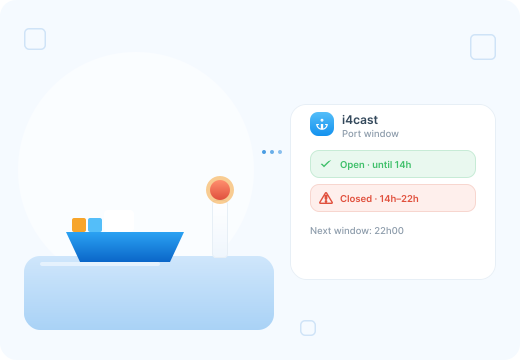
Anticipation of windows and restrictions per port call
Know in advance when the port may close, when the river is expected to hit a critical level and which window protects the berthing. The operator doesn't just get "a 2-meter wave". They get "high risk of total restriction, bar closed between 2 PM and 10 PM".
- Drought
- Flood
- Dynamic draft
- Port closure
- Mooring-line breakage
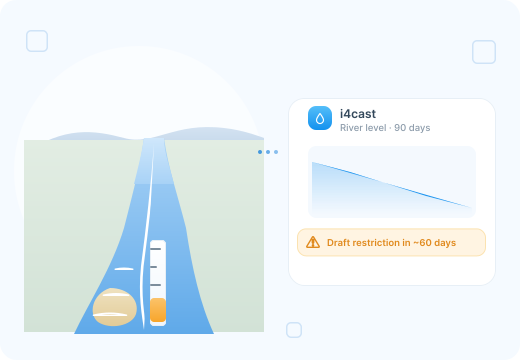
River-level forecasting up to 90 days out
AI-generated drought and flood scenarios. Anticipate the critical level, adjust draft, replan cargo and define alternative ports weeks before the event. Not after the restriction has already become a cost.
- River level
- AI scenarios
- 90 days of lead time
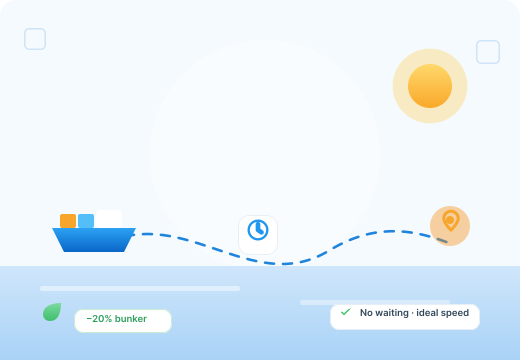
Just In Time: less bunker, less waiting, fewer emissions
Integration via API, WhatsApp, Teams, SMS and email. Know the best window, the recommended speed and the best time to berth to reduce the Sail Fast Then Wait pattern.
- JIT
- −20% fuel
- IMO 2030
- API
The next wait costs more than anticipating it.
You can't control the weather, but you must manage the risks
Leading cabotage shipowner, Amazon Region
The result when the decision comes before the event
15%
savings in storage and roll-over by anticipating the drought
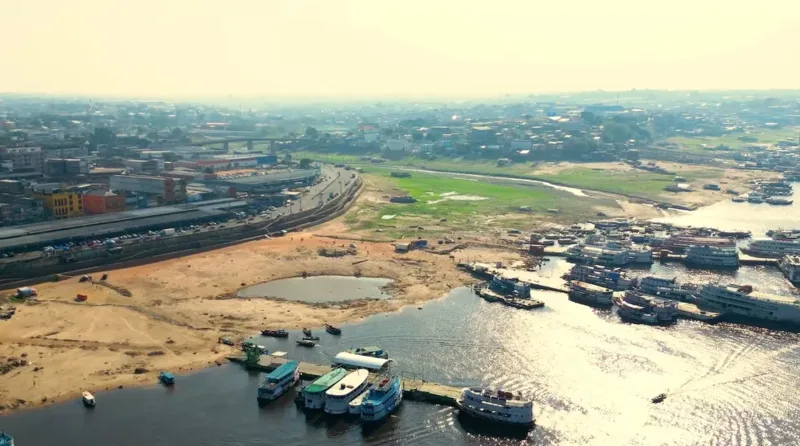
In 2024 and 2025, one of Brazil's largest shipowners used river-level forecasts with 90 days of lead time to replan cargo, adjust draft and anticipate the drought surcharge before the river reached a critical level. The result: alternative routes defined months in advance, fewer idle ships and 15% proven operational savings.
Download the ebook: Strategic plan to mitigate the impact of river drought →Questions we hear before every decision
The next wait costs more than anticipating it.
You can't control the weather, but you must manage the risks
Each port is monitored individually, considering bar, channel, anchoring and berth. The system crosses hyperlocal forecasting with the operational limits of each port to anticipate windows and restrictions per ship.
It depends on the phenomenon:
- Channel closure / windstorm: 1–6 h
- Swell and surge: 24–72 h
- Cold fronts, cyclones: 3–7 days
- River level (drought/flood): up to 90 days
We generate drought and flood scenarios per river basin, calibrated with more than 100 AI scenarios. The shipowner receives a forecast level per waypoint with probability of occurrence. With this, they adjust draft and cargo weeks before the event.
Yes. We cover the entire Brazilian coast and navigable rivers, such as the Amazon, Paraguay, Paraná, Madeira and Tapajós. Each route is monitored point by point.
Yes. We deliver via REST API, WhatsApp, Teams, SMS and email. For integration with route-planning or fleet management systems, we configure webhooks during onboarding.
3 weeks, in 3 stages:
- Mapping of routes, ports of call and critical rivers
- Calibration with operations history and the shipowner's limits
- Configuration of alerts, channels and training of the operations team
With accurate forecasting of windows per port call, the bunker operator knows days in advance when the access window to the ship may close. This way, they replan delivery without wasting fuel or losing credibility with the shipowner.
Windstorms and gusts · swell and surge · meteorological tide · currents · heavy rain · reduced visibility (fog) · river levels (drought and flood) · extratropical cyclones · lightning.
The cost of i4cast is a fraction of the cost of a single day at anchor. A Panamax ship at anchor costs between US$ 15,000 and US$ 25,000 per day. The monitoring pays for itself on the first wait avoided.
Three main differences: (1) 100+ AI scenarios at 1 km to 3 km resolution per port call, not a generic forecast by coastal region. (2) We enter your process and the language of your operation. We deliver restriction risk and operational window, not a wave bulletin. The operator receives action, not raw data. (3) River-level forecasting with 90 days of lead time, a capability traditional providers usually don't deliver.
- 100+ AI scenarios
- Risk language
- Evidence trail